
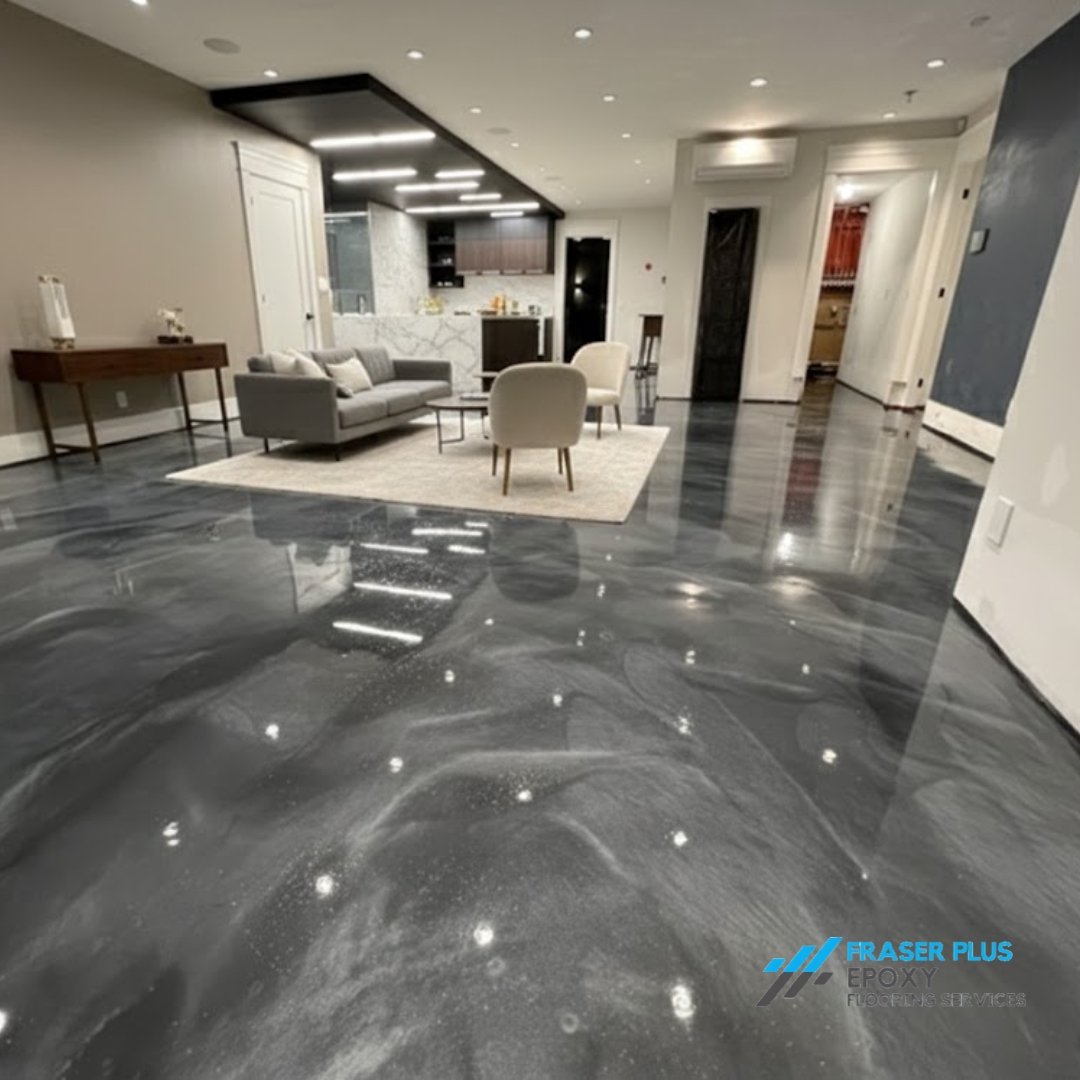
Commercial Epoxy Flooring Contractors
Searching for “commercial epoxy flooring contractors near me” is often the first step toward repairing or protecting a concrete floor. The harder part is comparing contractors whose proposed systems, preparation methods, and project plans may differ.
A suitable commercial floor depends on the condition of the concrete, the activities taking place in the building, and the environment the coating must tolerate. Understanding these factors will help you ask better questions and compare proposals on more than appearance.
What should you know before contacting a flooring contractor?
- Concrete preparation is a major part of coating performance.
- The right resinous system depends on traffic, chemicals, moisture, cleaning practices, and desired texture.
- A detailed proposal should identify the preparation process, coating layers, repairs, schedule, and operating limitations.
- Local contractors should understand the practical effects of wet weather, humidity, site access, and business shutdown requirements in Metro Vancouver and the Fraser Valley.
What is commercial epoxy flooring?
Commercial epoxy flooring is a resinous floor system installed over a prepared substrate, most often concrete. Depending on the application, it may include a primer, epoxy body coat, decorative or traction aggregate, and a compatible protective topcoat.
“Epoxy flooring” is sometimes used as a broad label for several coating systems. A contractor may recommend epoxy, polyurethane, polyaspartic, or another resin chemistry in different layers. Each material has its own characteristics, so the system should be selected as a whole rather than by product name alone.
Epoxy is commonly considered for warehouses, workshops, retail back rooms, service areas, offices, commercial garages, and light industrial spaces. FraserPlus Epoxy provides information about these applications on its commercial epoxy flooring service page.
How do you compare commercial epoxy flooring contractors near you?
Start by asking each contractor to describe the proposed floor from the concrete upward. A clear answer should explain how the surface will be prepared, which defects will be addressed, how many distinct layers are proposed, and what type of finish is expected.
Comparing only the final colour or coating thickness can hide important differences. One proposal might include mechanical preparation and crack treatment, while another may leave those items unclear or list them as possible extras.
Ask whether the contractor has inspected the site or is working from photos and general measurements. Photos can help with early planning, but an on-site assessment may reveal contamination, soft concrete, moisture concerns, drainage issues, previous coatings, or access restrictions that affect the work.
You should also ask who will handle surface preparation and installation. Clear responsibility matters when several trades are present or when equipment, shelving, plumbing, refrigeration, or production lines must be coordinated.
Why does concrete preparation matter?
A coating needs a clean, sound, and suitably profiled surface. Dirt, curing compounds, oil, paint, weak concrete, and other contaminants can interfere with adhesion even when the finished floor initially looks acceptable.
Mechanical preparation methods such as grinding or shot blasting are commonly used for commercial concrete. The method depends on the existing surface, the selected coating system, site constraints, and the profile required by the material manufacturer.
Cracks, spalls, joints, and transitions also need individual attention. Crack repair can improve the substrate, but a rigid coating can’t guarantee that concrete will never move or crack again. Active joints may require a different treatment from dormant cracks.
If an existing floor coating is present, the contractor should determine whether it can remain, needs further preparation, or should be removed. Installing over an unknown or poorly bonded layer can leave the new system dependent on the weakest material underneath it.
How should moisture and British Columbia weather affect the plan?
Concrete moisture can affect coating selection and adhesion. Moisture may originate within the slab, below it, from cleaning operations, or from the surrounding environment. Visual dryness alone doesn’t always establish that a slab is ready for coating.
Metro Vancouver and the Fraser Valley experience extended wet periods and changing humidity. Contractors should account for site temperature, slab conditions, ventilation, weather exposure, and the manufacturer’s stated installation limits when planning the work.
Exterior exposure and areas near open overhead doors can create additional demands. Water, tracked-in grit, road residue, and temperature changes may influence the choice of texture, topcoat, and maintenance plan.
For commercial garages and service bays, vehicle traffic introduces abrasion, hot tires, dirt, and automotive fluids. These spaces should be assessed differently from a dry office storage room, even when both have concrete floors.
Which performance requirements should you discuss?
Explain how the space is actually used, including wheeled traffic, dropped tools, pallet movement, chemical exposure, washing, and standing water. A contractor can’t select an appropriate system from square footage and colour alone.
Slip resistance deserves specific discussion. Added texture may improve traction, particularly in wet or greasy areas, but a more textured floor can be harder to mop or squeegee. The goal is a practical balance based on contaminants, footwear, slope, drainage, and cleaning methods.
Light exposure matters too. Some resin materials can change colour with ultraviolet exposure, so areas near doors, storefront glazing, or outdoor transitions may need a suitable finish coat. Decorative appearance and colour stability should be discussed before materials are selected.
If the site handles food, chemicals, heavy equipment, or regulated activities, tell the contractor what standards apply to the operation. Flooring choices don’t replace professional code review. The owner, designer, contractor, and relevant authorities may all have roles in confirming building, fire, accessibility, sanitation, or workplace requirements.
What should a commercial flooring proposal include?
A useful written proposal should define the work area, preparation method, repair assumptions, coating system, finish, exclusions, and expected sequence. It should also explain which party will move equipment, provide power, control dust, arrange access, and protect adjacent surfaces.
Look for a realistic schedule that separates installation time from return-to-service time. A coating may feel dry before it’s ready for foot traffic, cleaning, shelving, vehicles, or chemical exposure. Cure conditions and reopening instructions should follow the specific product data.
Ask how unexpected substrate conditions will be handled. Hidden contamination, extensive cracking, weak concrete, or moisture readings may require a revised plan. Agreeing on a change process before work begins can reduce confusion once the floor is open and prepared.
You can review the contractor’s broader floor coating services to see whether the available options match your site rather than assuming one coating suits every commercial space.
How can you plan around business operations?
Commercial flooring often needs coordination with staff, tenants, customers, deliveries, and other trades. Before choosing dates, map out how people and materials will enter the building while each work zone is unavailable.
Phased installation may reduce disruption, but it can add transitions, sequencing constraints, and repeated setup. A single shutdown may be more direct, though it requires more preparation. The best approach depends on access routes, cure requirements, floor layout, and whether operations can move temporarily.
Discuss noise, dust collection, odour, ventilation, and waste removal. Mechanical preparation equipment and resin application can affect nearby activities. Sensitive occupants, inventory, electronics, and food handling areas may need added protection or scheduling.
Make sure the floor is clear when promised. Delays in removing racks, stored goods, vehicles, or machinery can compress the installation window and interfere with preparation.
What maintenance information should you request?
Ask for cleaning guidance matched to the installed system. Routine removal of grit and spills can limit abrasion and reduce slip concerns. Cleaning chemicals and equipment should be compatible with the coating.
Damage should be assessed early. Gouges, impact points, exposed concrete, and deteriorated joints may allow water or contaminants to reach the substrate. Local repairs may be possible when the surrounding coating remains sound, though colour and sheen can vary between old and new material.
A maintenance plan should distinguish normal wear from substrate movement, chemical attack, and physical damage. Those conditions have different causes and may call for different repairs.
When should you arrange a site assessment?
Arrange an assessment once the contractor can access the relevant areas and understand the intended use. Early discussions are helpful during renovations, but final recommendations may depend on the exposed concrete and confirmed operating conditions.
Provide floor plans if available, along with information about previous coatings, known leaks, cleaning chemicals, drainage, and equipment loads. Mention any fixed deadline, but allow time for assessment, preparation, installation, and curing.
Businesses in Metro Vancouver and the Fraser Valley can contact FraserPlus Epoxy to discuss the site, operating needs, and possible next steps. A personalized assessment is the appropriate basis for defining the scope.
What questions are commonly asked about commercial epoxy flooring?
How long does commercial epoxy flooring take to install?
The schedule depends on floor size, concrete condition, repair needs, system design, temperature, humidity, and site access. Installation time and return-to-service time aren’t necessarily the same, so ask when each type of traffic may safely resume.
Can epoxy be installed over damaged concrete?
Some cracks, pits, and spalls can be repaired before coating, but the concrete must be assessed first. Severe deterioration, ongoing movement, contamination, or moisture may require added corrective work or a different flooring plan.
Is a glossy epoxy floor always slippery?
Slip behaviour depends on texture, contamination, footwear, cleaning, and whether the surface is wet. Contractors can discuss aggregate or textured finishes, but added texture also affects cleaning and appearance.
Can a contractor provide an accurate quote from photos?
Photos and measurements can support an initial conversation, but they may not reveal adhesion, moisture, contamination, weak concrete, or hidden layers. A site assessment often provides a sounder basis for the final scope.
Follow FraserPlus Epoxy on Google — be the first to know about floor coatings, maintenance guides, and project ideas across Metro Vancouver.
Make us your preferred source on Google