
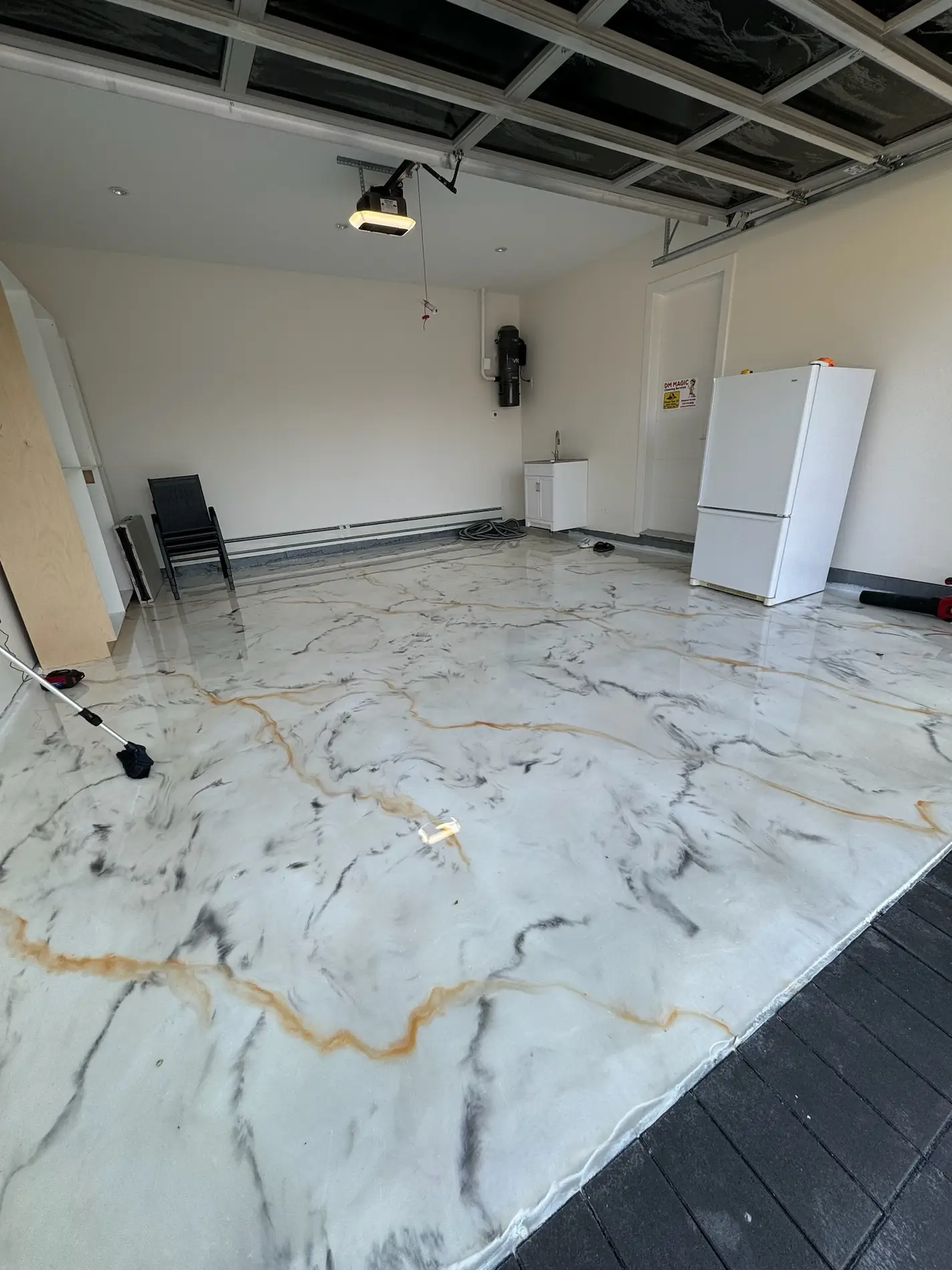
Commercial Epoxy Flooring Richmond: A Practical Guide
Commercial epoxy flooring in Richmond can provide a durable, cleanable surface for warehouses, retail spaces, workshops, commercial kitchens, service areas, and other facilities. Its performance, however, depends on choosing a system suited to the space and preparing the concrete correctly.
This guide explains how commercial epoxy flooring works, where it makes sense, and what Richmond property owners and facility managers should consider before requesting an assessment.
What should you know at a glance?
- Epoxy flooring is a resinous system that bonds to properly prepared concrete and forms a hard-wearing surface.
- Concrete condition, moisture, traffic, chemicals, slip risk, and downtime should guide system selection.
- Surface preparation is a major part of the installation and shouldn’t be treated as an optional step.
- Richmond’s damp coastal climate and local site conditions make moisture evaluation especially important.
What is commercial epoxy flooring?
Commercial epoxy flooring is made by combining resin and hardener. When mixed correctly, these components cure through a chemical reaction and form a rigid coating over the prepared substrate.
A commercial floor may include multiple layers rather than one coat. Depending on the application, the system can include a primer, body coat, aggregate, decorative material, and protective topcoat.
Epoxy is one category within the broader group of resinous flooring products. Other resins and topcoats may be specified when a space needs different resistance to sunlight, chemicals, thermal cycling, abrasion, or rapid return to service.
FraserPlus Epoxy provides information about these options on its commercial epoxy flooring service page.
Where can epoxy flooring be used in Richmond businesses?
Epoxy flooring can suit many indoor commercial settings where bare concrete would be difficult to maintain or protect. Common applications include stockrooms, warehouses, repair areas, showrooms, utility rooms, clinics, salons, production spaces, corridors, and back-of-house areas.
The right choice depends less on the business label and more on how the floor is used. A quiet retail stockroom doesn’t place the same demands on a coating as a loading area exposed to pallet movement, rolling equipment, grit, and frequent cleaning.
Food-related and wet-service environments require added attention. Drainage, cleaning chemicals, temperature changes, sanitation procedures, and slip resistance can all affect the system design.
Decorative options may suit reception areas, studios, shops, or customer-facing interiors. In these spaces, colour, gloss, texture, and visual variation can be considered alongside practical needs.
Why does concrete preparation matter so much?
An epoxy coating relies on its bond to the concrete. Dust, curing compounds, oil, old paint, weak surface material, and other contaminants can interfere with that bond.
Mechanical preparation is commonly used to open the concrete surface and remove unsuitable material. The exact method depends on the slab, existing coatings, contamination, access, dust-control requirements, and the flooring system being installed.
Cracks, joints, spalls, and surface defects also need to be assessed. Some cracks can be repaired before coating, but a surface repair doesn’t guarantee that structural movement will stop. Active movement may eventually show through a rigid coating.
Expansion and movement joints serve a purpose and shouldn’t simply be hidden without considering how the slab behaves. A flooring contractor can recommend a treatment based on the joint type and expected movement.
How can moisture affect an epoxy floor?
Concrete can contain or transmit moisture even when its surface appears dry. If moisture conditions aren’t compatible with the selected coating, problems can include poor adhesion, blistering, discolouration, or localized failure.
Richmond’s coastal setting brings frequent damp conditions, while individual buildings vary in age, drainage, slab construction, heating, ventilation, and previous water exposure. A visual inspection alone may not reveal what’s happening within or beneath a slab.
Moisture testing and site evaluation can help determine whether a coating is appropriate and whether a moisture-control approach should be considered. The findings must be interpreted alongside the product requirements and the building’s conditions.
Water entering from leaks, failed drainage, wash procedures, or exterior sources should also be addressed. A coating shouldn’t be expected to correct an unresolved building-water problem.
How should traffic and operations shape the floor specification?
Foot traffic, carts, forklifts, vehicle tires, dropped tools, and dragged equipment create different wear patterns. Areas near doors may also receive grit and moisture that increase abrasion.
A contractor should ask what moves across the floor, how often it moves, and where turning, braking, or loading takes place. High-stress zones may call for a different build, added aggregate, or another resinous flooring approach.
Chemical exposure should be reviewed by substance, concentration, contact time, temperature, and cleaning method. Calling a floor “chemical resistant” without identifying the actual exposure isn’t enough because no coating performs the same against every substance.
Operating schedules matter as well. Preparation, application, curing, ventilation, and restricted access must fit the facility’s workflow. Cure and recoat timing varies by product and site conditions, so the installation plan should follow the selected manufacturer’s technical instructions.
What role does slip resistance play?
A glossy coating may be easier to wipe clean, but a smooth floor can become slippery when contaminated with water, oil, soap, dust, or food residue. The required texture should reflect the actual working conditions.
Aggregate can be incorporated into a coating system to increase surface grip. A more textured floor may offer better traction, though it can also require more effort to mop or scrub. The goal is to balance cleanability, comfort, equipment movement, and slip risk.
Entrances, ramps, wash areas, kitchens, and spaces near overhead doors may need different textures from dry offices or display areas. Workplace safety requirements and applicable building obligations should be reviewed for the specific property and use.
How do appearance and finish affect the decision?
Commercial epoxy floors can be produced in solid colours, decorative flake blends, and other visual treatments. Colour can help distinguish work zones, pedestrian paths, storage areas, or restricted sections when the layout and safety plan call for it.
Gloss levels affect appearance and how readily lighting, dust, scratches, and surface variation are noticed. A high-gloss finish can reflect light strongly, while a lower-sheen topcoat may make everyday wear less visually prominent.
Decorative resin floors can produce distinctive patterns, but appearance varies with application technique and substrate conditions. Businesses considering a statement finish can review metallic epoxy flooring while confirming whether it suits the traffic and maintenance needs of the space.
Colour samples are useful, but small samples may look different across a large floor under the building’s actual lighting. Expectations should account for normal variation in concrete and hand-applied resin materials.
What should happen during a site assessment?
A useful assessment begins with the floor’s present condition and the facility’s intended use. The contractor may review existing coatings, cracks, joints, contamination, drainage, moisture concerns, access, ventilation, and adjacent occupied areas.
The conversation should also cover traffic, cleaning practices, chemicals, desired texture, appearance, operating hours, and available shutdown windows. These details help narrow the choice of primer, build coat, aggregate, finish, and topcoat.
Property records or construction information can be helpful when available, but the visible slab still needs direct inspection. Hidden conditions may only become clear after old flooring or coatings are removed.
A written scope should identify what preparation and coating work is included. It should also explain exclusions, site responsibilities, access needs, curing restrictions, and how unexpected substrate conditions will be handled.
How long does installation take?
There isn’t one schedule that fits every commercial epoxy project. Floor area, preparation needs, repairs, number of layers, product chemistry, temperature, humidity, access, and curing conditions all affect timing.
Moving inventory, disconnecting equipment, protecting nearby spaces, and coordinating other trades may take as much planning as coating the floor itself. Businesses should identify which areas must remain open and whether the work can be divided into phases.
Fresh coatings need protection during curing. Allowing people, carts, vehicles, water, or contaminants onto the surface too early can damage the finish or affect performance. The contractor’s return-to-service instructions should be followed for the products and site conditions involved.
How should a commercial epoxy floor be maintained?
Routine removal of dust, sand, and grit helps limit scratching. Soft sweeping, dust mopping, vacuuming, or suitable mechanical cleaning can be used depending on the floor texture and facility.
Spills should be addressed promptly using a cleaner compatible with the coating. Harsh chemicals, abrasive pads, or unapproved solvents can dull or damage some finishes, so maintenance teams should follow the flooring manufacturer’s care guidance.
Entry mats can reduce tracked-in water and debris, especially during wet Lower Mainland weather. Mats should be cleaned regularly and checked to ensure trapped moisture or grit isn’t creating another maintenance problem.
Inspecting busy areas can reveal scratches, impact damage, worn texture, or local coating loss before deterioration spreads. Repairs may be easier when damaged sections are dealt with early and the surrounding substrate remains sound.
How does epoxy compare with polished concrete?
Epoxy creates a film over concrete, while polished concrete is mechanically refined to produce its finished surface. They differ in appearance, chemical behaviour, repair approach, maintenance, and how they respond to slab imperfections.
Polished concrete can be suitable for dry interiors seeking a natural concrete look. Epoxy may be preferred when a facility needs a coloured coating, defined texture, or a surface selected for particular contaminants.
Neither option is automatically best for every commercial property. Slab condition, moisture, desired appearance, exposure, cleaning procedures, and operational demands should guide the decision. FraserPlus Epoxy lists both flooring and coating options on its services overview.
What questions should you ask before choosing a contractor?
- How will the concrete be inspected and prepared?
- How are moisture, cracks, joints, contamination, and existing coatings addressed?
- Which flooring layers are proposed, and why do they suit the intended use?
- What site conditions are required during application and curing?
- When can foot traffic, equipment, cleaning, and vehicle traffic resume?
- What maintenance products and procedures are compatible with the finish?
- How will access, ventilation, dust control, and occupied areas be managed?
Clear answers make it easier to compare scopes. Comparing only the coating name can miss major differences in preparation, thickness, layer count, texture, repairs, and site coordination.
What are common questions about commercial epoxy flooring in Richmond?
Can epoxy be installed over an existing coating?
Sometimes, but the existing material must be identified and assessed for adhesion, compatibility, damage, and contamination. Removal may be required when the old coating is loose, unsuitable, or incompatible with the proposed system.
Can epoxy flooring be installed in an operating business?
It may be possible to phase the work, but the plan must account for preparation noise, dust control, ventilation, curing, safe access, and separation from active operations. Some facilities need temporary closures in the treatment area.
Is commercial epoxy suitable for exterior concrete?
Standard epoxy can discolour or degrade with ultraviolet exposure, and exterior slabs face water and temperature changes. An exterior-rated coating system should be selected based on the location rather than assuming an indoor epoxy will perform outdoors.
How can a Richmond business request an assessment?
Provide information about the space, current floor, traffic, contaminants, cleaning routine, desired finish, and operating constraints. FraserPlus Epoxy can then review the project through its contact page and discuss an appropriate next step.
Follow FraserPlus Epoxy on Google — be the first to know about floor coatings, maintenance guides, and project ideas across Metro Vancouver.
Make us your preferred source on Google