
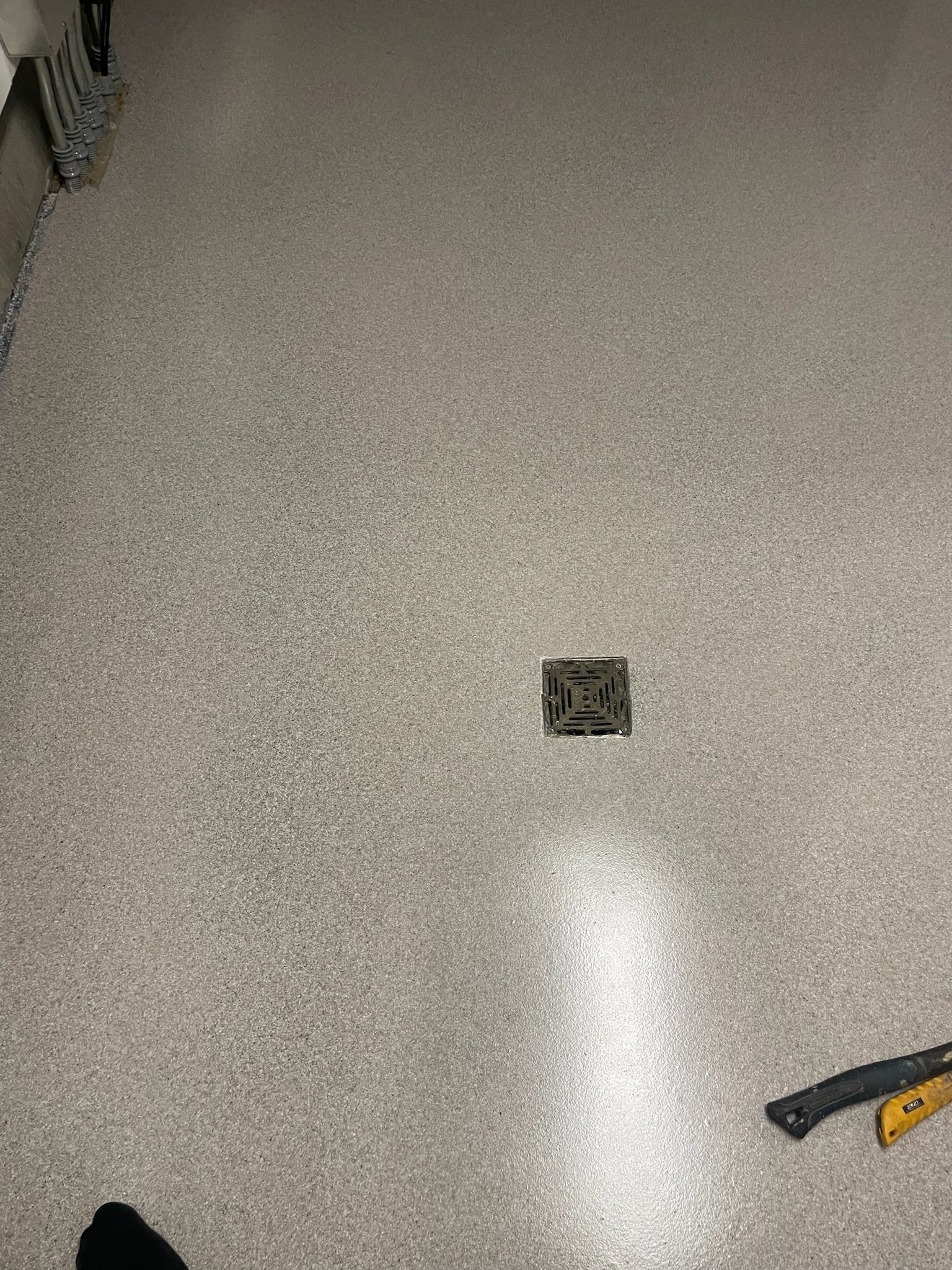
FraserPlus Epoxy Flooring: What to Know Before You Book
Quick Summary
- FraserPlus Epoxy (fraserplusepoxy.com) serves Metro Vancouver and the Fraser Valley with garage, commercial, metallic, and polished concrete flooring.
- BC's wet climate and moisture-heavy slabs make proper surface preparation more important here than in drier regions.
- Metallic and decorative systems suit showrooms, restaurants, and renovated basements; commercial systems handle forklift loads and chemical exposure.
- Costs depend on the substrate condition, system chosen, and square footage — contact FraserPlus Epoxy directly for an accurate quote.
What Services Does FraserPlus Epoxy Offer?
FraserPlus Epoxy is a Metro Vancouver and Fraser Valley flooring contractor that installs epoxy and resinous floor coatings for residential and commercial clients. Their work covers a range of systems, from everyday garage epoxy flooring for home workshops and driveways to large-scale commercial epoxy flooring for warehouses, retail spaces, and industrial facilities.
They also install metallic and decorative epoxy, polished concrete, and protective floor coatings. Each system has different prep requirements, chemistry, and finish characteristics, so the right choice depends on how the floor will be used and what the space demands.
Why Do BC Homeowners Choose Epoxy for Their Garage Floors?
Garage floors in Metro Vancouver and the Fraser Valley take a beating. Rain, mud, road salt tracked in from wet streets, and the occasional freeze-thaw cycle create conditions that bare concrete isn't built to resist on its own. Epoxy coatings bond directly to the concrete surface and create a hard, non-porous layer that protects against moisture penetration, oil drips, and everyday wear.
For homeowners across the region — including those in Langley, Burnaby, Surrey, and Coquitlam — an epoxy garage floor also makes cleanup much easier. You're mopping a sealed surface instead of scrubbing a porous slab. Many systems also include anti-slip additives broadcast into the topcoat, which matter when you're stepping from a wet vehicle to the interior of your home.
UV stability is worth thinking about for garages with south-facing doors or skylights. Standard epoxy formulations can yellow over time with UV exposure. A polyaspartic or polyurethane topcoat retains clarity and color even with regular sunlight. FraserPlus can recommend the right topcoat for your specific setup. Visit their garage epoxy flooring page to see what residential systems they offer.
What Commercial Flooring Options Are Available?
Commercial and industrial floors need to handle far more than a typical garage does. Foot traffic, forklift loads, chemical spills, dropped equipment, and sometimes regulatory requirements all factor into which system makes sense. Epoxy and polyurethane systems can be formulated to meet food-safe standards, resist specific chemicals, or handle heavy dynamic loads.
Common commercial applications in the Lower Mainland include warehouses, distribution centers, automotive service bays, restaurants, retail showrooms, and healthcare facilities. Each has different demands. A food-manufacturing floor might need a cove base and a hygienic topcoat, while a showroom floor prioritizes aesthetics and light reflectance.
Surface preparation matters even more on commercial floors because the cost of failure is higher. If a coating fails under a forklift or in a busy kitchen, the downtime and repair costs are significant. Proper diamond grinding, crack repair, and moisture testing before installation reduce that risk considerably. See FraserPlus Epoxy's commercial epoxy flooring page for more detail on what they install and where.
What Is Metallic Epoxy and Who Is It For?
Metallic epoxy is a decorative flooring system that creates a three-dimensional, marbled or pearlescent effect by suspending metallic pigments in a clear or tinted epoxy base. The pigments shift and flow during installation, which means no two floors look exactly alike. The finished surface is glassy and reflective — closer in appearance to polished stone than to a standard floor coating.
It's popular in spaces where appearance matters as much as durability: car showrooms, boutique retail, restaurant dining rooms, upscale home basements, and hotel lobbies. It can also work in residential garages when someone wants a showpiece floor rather than a purely functional one.
The tradeoff is that metallic systems require more skill to install than a standard broadcast chip floor. The metallic pigments need to be manipulated precisely before the epoxy begins to cure, and any substrate imperfections show more clearly under a glassy finish. FraserPlus's metallic epoxy flooring page covers the range of effects and finishes they can achieve.
How Does Polished Concrete Differ From Epoxy?
Polished concrete and epoxy are often mentioned in the same conversation, but they're fundamentally different processes. Epoxy is a coating — you apply a new layer on top of the existing concrete. Polished concrete is the slab itself, refined through progressively finer diamond tooling until it becomes dense, smooth, and reflective.
After polishing, a chemical densifier is typically applied to harden the surface further. A sealer or guard product protects against staining. There's no topcoat to peel or delaminate, which makes polished concrete a low-maintenance option in environments where long-term durability matters. It works well in retail spaces, office lobbies, schools, and any setting where an industrial-modern aesthetic is the goal.
The main limitation is that polished concrete can't hide a badly damaged slab. Extensive cracking, spalling, or significant aggregate exposure will show through the polish rather than disappear under it. Substrate condition is a key factor in whether polishing or coating is the more appropriate path for a given floor.
What Does the Installation Process Actually Look Like?
Regardless of the system — epoxy, metallic, polished concrete, or protective coating — surface preparation is the most labor-intensive part of the job. A diamond grinder or shot blaster opens the concrete pores and creates the mechanical profile that allows the coating to bond properly. Cracks, divots, and any previous coatings that aren't adhering well get addressed at this stage.
Moisture is the biggest variable in BC installations. Concrete is naturally porous, and when humidity is high or a slab sits on grade without adequate vapor barriers, moisture vapor can migrate upward and push a coating off from underneath. A reputable contractor tests for moisture vapor emission before choosing a system. If moisture levels are elevated, there are systems specifically formulated to tolerate it — but they're not interchangeable with standard coatings.
After prep, the installation sequence depends on the system: primer coat, body coat, broadcast layer for chip or metallic pigment, and one or more topcoats. Most residential jobs can be completed within a few days. Commercial projects with larger square footage or multi-coat systems may take longer. Specific cure times before foot traffic or vehicle traffic depend on the product and site conditions — your installer will give you those timelines before work begins.
How Do You Get an Accurate Quote From FraserPlus?
Epoxy flooring costs vary based on the square footage, the condition of the substrate, the system you choose, and the complexity of the space. A two-car garage in a residential neighborhood is a different project from a warehouse with multiple floor drains, existing failing coatings, and active operations during installation.
Actual costs vary based on project scope, substrate condition, and site access — contact FraserPlus Epoxy for a personalized assessment. Getting a proper on-site look at your floor is the most reliable way to understand what a project will involve and what the finished result will look like.
You can reach the FraserPlus team directly through their contact page to request a quote or ask which system makes the most sense for your space.
Frequently Asked Questions
How long does epoxy flooring last?
The lifespan of an epoxy floor depends on the quality of installation, the system used, and how much wear the surface sees. A well-installed residential garage floor that's properly maintained can last for many years. High-traffic commercial installations may need touch-ups or recoating sooner. Substrate preparation and topcoat selection are the biggest predictors of long-term performance.
Can epoxy be installed over old or damaged concrete?
Yes, in most cases. The concrete needs to be structurally sound, clean, and properly prepared. Any previous coatings or sealers that haven't bonded well need to come off first. Cracks and surface damage can be repaired before coating, though how well those repairs blend with the surrounding slab affects the finished appearance.
Is epoxy flooring slippery when wet?
A plain gloss epoxy surface can be slippery when wet, similar to polished tile. Most installers offer anti-slip additives — fine sand, aluminum oxide, or similar aggregates broadcast into the topcoat — to add texture and reduce slip risk. This is a standard option for garage floors and commercial kitchens in BC, where wet conditions are common for much of the year.
Does epoxy perform well in BC's climate?
Yes, but BC's combination of high rainfall, humidity, and seasonal temperature swings requires careful attention during installation. Epoxy won't cure properly if the temperature or relative humidity is outside the product's specified range. Moisture vapor migrating up through the slab is the most common cause of adhesion failure in this region. Working with a contractor who accounts for local climate conditions at every step makes a significant difference in how the finished floor holds up over time.
Follow FraserPlus Epoxy on Google — be the first to know about floor coatings, maintenance guides, and project ideas across Metro Vancouver.
Make us your preferred source on Google