
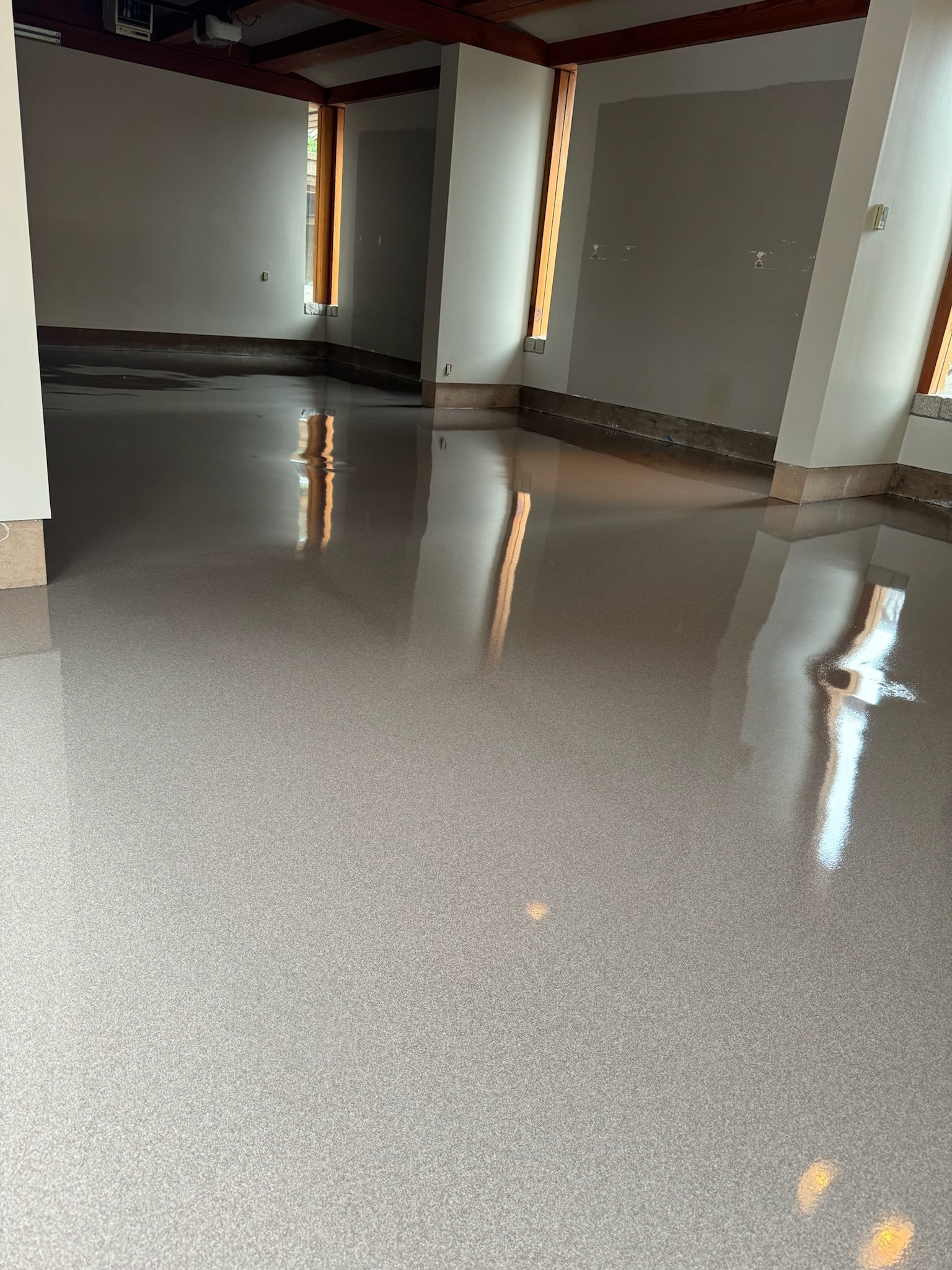
FraserPlus Epoxy Flooring in Metro Vancouver
FraserPlus Epoxy is a Metro Vancouver and Fraser Valley contractor focused on epoxy and resinous flooring systems — residential garages, commercial spaces, retail floors, and industrial facilities. If you've landed on fraserplusepoxy.com through a search, here's a plain-language overview of what they do, how the installation process works, and what to think about before booking.
- FraserPlus Epoxy serves Metro Vancouver and the Fraser Valley with garage floor epoxy, commercial coatings, metallic epoxy, and polished concrete.
- Epoxy bonds chemically to concrete, producing a non-porous surface that resists oil, moisture, abrasion, and chemical spills.
- BC's humidity, temperature swings, and road-salt tracking make substrate prep especially important for long-term adhesion.
- Get a site-specific quote directly through the FraserPlus Epoxy contact page — costs vary based on substrate condition, square footage, and the coating system chosen.
What Does FraserPlus Epoxy Specialize In?
FraserPlus Epoxy concentrates on resinous flooring — a category that includes epoxy, polyaspartic, and polyurethane coating systems applied directly over prepared concrete substrates. These products cure to a hard, non-porous surface that handles vehicle traffic, foot traffic, and chemical exposure far better than bare or painted concrete.
Their work covers residential garage floors in Langley, Surrey, and across the Lower Mainland, commercial epoxy flooring for retail stores and warehouses, and decorative metallic finishes for showrooms and hospitality spaces. For a full picture of what's available, the services page outlines each coating type and its intended application.
What Types of Flooring Systems Does FraserPlus Epoxy Install?
Epoxy is the most common request, but it's one of several systems on offer. Here's a quick breakdown:
- Garage floor epoxy — typically a two-part epoxy primer coat plus a clear topcoat, often with a decorative broadcast flake for texture and grip. Designed for vehicle traffic and oil resistance. Details at the garage epoxy flooring page.
- Metallic epoxy — a decorative system using metallic pigments suspended in epoxy resin. The application process creates flowing, organic-looking patterns. Popular for showrooms, offices, and reception areas. See the metallic epoxy flooring page for more.
- Polished concrete — mechanical grinding and chemical densifying of the existing concrete slab, achieving a smooth, reflective surface without a resin coating layer on top. Low-maintenance and durable over the long run.
- Commercial and industrial coatings — heavier-build systems (polyaspartic, urethane concrete, or multi-layer epoxy) for high-traffic environments, chemical exposure, or safety requirements like anti-slip surfaces.
Each system has different lead times, cure windows, and substrate requirements. The right choice depends on how the floor will be used, how much downtime is acceptable during installation, and what the concrete's current condition looks like.
Why Do Metro Vancouver Homeowners Choose Epoxy Garage Floors?
In the Lower Mainland, garages do a lot of work. They're storage areas, workshops, and often the primary entry point from the car into the house. Bare concrete in that setting tends to get dusty, stain from oil drips, and crack over time from temperature changes and moisture.
An epoxy coating addresses all three issues. It seals the concrete surface so dust can't work loose, resists motor oil and chemical spills (which wipe up cleanly), and provides a consistent finished appearance. The decorative flake broadcast systems also add a non-slip texture — which matters in a garage that sees wet boots and dripping vehicles through a BC rainy season.
Homeowners in Langley and the broader Fraser Valley also deal with notable temperature swings between summer and winter. A properly installed epoxy system — one where the concrete was correctly profiled before coating — handles those thermal cycles well without peeling or delaminating.
How Does BC's Climate Affect Epoxy Installation and Performance?
Moisture is the biggest variable in the Lower Mainland. Epoxy and other resinous coatings require concrete to be below a certain moisture vapour emission threshold before they're applied. If that threshold isn't met, the coating can blister, delaminate, or simply fail to bond.
Professional installers test moisture levels before starting and won't coat a slab that's going to reject the product. This is one of the clearest practical differences between a professional installation and a DIY kit from a home improvement store — the prep and testing steps are often the difference between a floor that lasts and one that peels within a season.
Temperature also matters. Epoxy resin typically needs both the substrate and ambient air to be above a minimum threshold during application and cure. Most professional installers plan around weather forecasts and select products rated for the expected conditions, which is one reason spring and summer tend to be busy booking windows in BC — though installations do happen year-round with the right precautions.
What Should You Expect from the Installation Process?
A professional epoxy installation generally follows the same sequence regardless of contractor:
- Substrate assessment — checking for cracks, spalling, previous coatings, and moisture content. Some conditions need repair before coating can proceed.
- Surface preparation — mechanical grinding or shot blasting to open the concrete's pores and create a surface profile that epoxy can bond to. This step isn't optional; cutting it short is the primary cause of adhesion failure.
- Crack and joint repair — filling active cracks or expansion joints as needed, based on scope and the client's expectations for the finished look.
- Primer coat — the first epoxy layer penetrates the prepared concrete. Cure time varies by product and ambient temperature.
- Broadcast and topcoat — for flake systems, decorative chips are broadcast into the wet primer coat, then sealed under a clear topcoat. For solid or metallic systems, the decorative layer is applied as the primary coat.
- Cure and reoccupancy — light foot traffic is typically possible within roughly 24 hours, but vehicle traffic usually requires a longer cure window. Your installer will provide specific timelines based on the products and conditions.
Plan to clear the area before the crew arrives — vehicles, stored items, and any freestanding shelving all need to be moved out in advance.
What Affects the Cost of Epoxy Flooring in the Fraser Valley?
Epoxy flooring pricing in the Lower Mainland depends on several factors: total square footage, the condition of the existing concrete, which coating system is specified, and how much surface prep work is required. A slab that's clean, flat, and free of previous coatings costs less to prepare than one with old paint, significant cracking, or elevated moisture.
Decorative systems like metallic epoxy generally sit at a higher price point than standard flake garage systems, reflecting the materials and application skill involved. Polished concrete pricing follows its own logic, based more on the number of grinding passes and densifier applications than on resin cost.
Actual costs vary based on project scope, substrate condition, and site access — contact FraserPlus Epoxy for a personalized assessment.
Frequently Asked Questions
Is epoxy flooring slippery when wet?
A smooth, solid-colour epoxy finish can be slippery when wet. That's why most residential and commercial installations include either a broadcast flake system (which adds natural texture) or an anti-slip additive mixed into the topcoat. Ask your contractor specifically which finish you're getting and how slip resistance is built in.
How long does an epoxy floor last?
Lifespan depends heavily on installation quality and how the floor is used. A garage floor that sees regular vehicle traffic and chemical spills will wear differently than a retail floor with foot traffic only. Professional installations over correctly prepared concrete generally outperform DIY kits significantly. Occasional maintenance topcoats can extend the life of any system.
Can epoxy go over an existing coating or painted concrete?
Usually not directly. Existing coatings typically need to be removed or thoroughly abraded first, because epoxy bonds to concrete — not to whatever's already sitting on top of it. A professional installer will assess the existing surface and tell you what prep is needed. Skipping that step is the most common reason DIY epoxy jobs peel within their first year.
Does FraserPlus Epoxy work outside the Fraser Valley?
FraserPlus Epoxy serves Metro Vancouver broadly, including areas like Burnaby, Surrey, Coquitlam, and Richmond, as well as the Fraser Valley. Reach out through the contact page to confirm availability for your specific location and to discuss your project requirements.
Follow FraserPlus Epoxy on Google — be the first to know about floor coatings, maintenance guides, and project ideas across Metro Vancouver.
Make us your preferred source on Google