
FraserPlus Epoxy Flooring: What to Ask Before You Hire
Quick summary
- FraserPlus Epoxy covers garage floors, commercial spaces, metallic epoxy systems, and polished concrete across Metro Vancouver and the Fraser Valley.
- Every installation starts with concrete surface preparation — skipping it is the leading cause of early coating failure.
- BC's humidity and seasonal temperature swings affect adhesion and cure times, making local contractor experience matter.
- Costs depend on project scope, substrate condition, and site access — get a direct assessment rather than relying on general industry ranges.
If you've been searching for FraserPlus Epoxy flooring or trying to find fraserplusepoxy.com, you're probably weighing whether they're the right contractor for your project. This article covers what FraserPlus does, how their services differ by project type, and what tends to get overlooked when booking epoxy floor work in BC.
What Does FraserPlus Epoxy Do?
FraserPlus Epoxy is a floor coating contractor serving Metro Vancouver and the Fraser Valley. Their full service lineup covers residential garage floors, commercial and industrial spaces, decorative metallic epoxy systems, and polished concrete.
Unlike suppliers who sell you the product and leave you to apply it, FraserPlus handles the complete scope: concrete evaluation, surface preparation, product selection, application, and finishing. That distinction matters because the durability of any epoxy floor depends more on the installation process than on the coating product itself.
Which Floor Coating Services Does FraserPlus Offer?
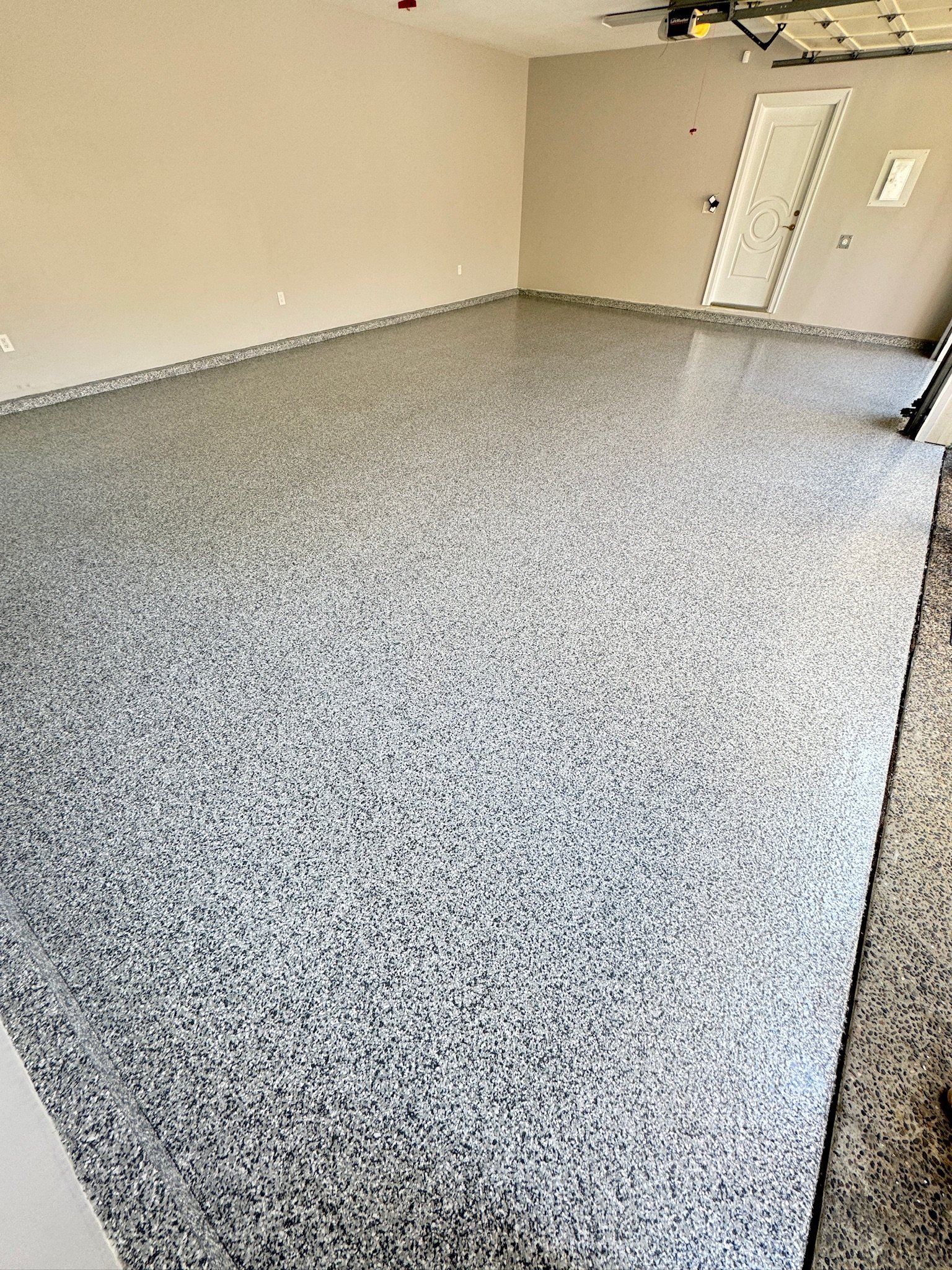
Garage epoxy flooring is the most common residential service. Bare concrete is porous — it absorbs oil, traps grit, and stains permanently over time. A coated floor wipes clean, resists tire marks and road salt, and reflects light back into the space. In a climate where vehicles come in wet from rain much of the year, that's a practical upgrade with daily payoff.
Commercial epoxy flooring is built for heavier use: warehouses, retail floors, food service areas, auto shops, and industrial spaces where floor durability and hygiene matter. Commercial systems use thicker-build coatings engineered to handle sustained traffic, forklift loads, and chemical exposure — requirements that go well beyond a standard residential system.
Metallic epoxy is a decorative resin system that creates flowing, three-dimensional patterns using metallic or pearlescent pigments suspended in a clear or tinted base. It's popular in showrooms, reception areas, home gyms, and residential spaces where people want a floor that functions as a design feature. The look is hard to replicate with any other product.
Polished concrete rounds out the lineup. Rather than adding a coating layer, the process mechanically grinds and refines the existing slab to produce a smooth, low-maintenance surface that shows the concrete itself. It's a durable choice for commercial spaces that want the material look without an overlay.
Why Does Surface Preparation Make or Break an Epoxy Floor?
Epoxy doesn't bond to concrete on its own — it bonds to a clean, mechanically prepared surface. That means diamond grinding or shot blasting the slab before any coating goes down, opening the pores and creating a profile the resin can grip. Skipping or cutting corners on this step is the most common reason epoxy floors fail early: the surface looks fine for a few months, then peeling or delamination spreads from the edges inward.
Fixing a delaminated floor isn't a patch job. It means stripping the entire system and starting from scratch, which costs more than doing it right the first time. When you compare quotes, ask specifically how each contractor handles surface preparation — it's the clearest indicator of the quality you'll actually receive.
Moisture is a separate but equally important consideration. Concrete slabs can release moisture vapor from below, and if the slab is too wet when coating is applied, adhesion fails. A thorough contractor tests for moisture before committing to a system rather than applying and hoping for the best.
How Does BC's Climate Affect Epoxy Flooring Work?
The Lower Mainland and Fraser Valley are among the most humid regions in Canada for much of the year. That affects epoxy work in two ways. High ambient humidity during application can interfere with cure and bond strength. And moisture vapor rising through slabs-on-grade — particularly in garages and ground-floor spaces — is a known issue that needs to be assessed before choosing a coating system.
Temperature also plays a role. Most epoxy systems require a minimum air and substrate temperature to cure correctly. Garages in Surrey, Langley, and the inland Fraser Valley can fall below those thresholds on cold mornings in fall and winter. Timing the project, and in some cases heating the space during application, affects how the coating sets and how it performs long-term.
None of this is a barrier — it's just what experienced local contractors factor in before starting. Someone who has worked in this climate knows to check slab temperature and moisture content before opening the first container, not after the coating is already down.
What's Different About Residential Versus Commercial Epoxy Systems?
The chemistry is related, but the build thickness and system requirements differ substantially. Residential garage coatings are typically a two-coat system — a primer or base coat, then a topcoat — sometimes with a decorative flake broadcast in between for texture and grip. That's durable enough for cars, bikes, and everyday foot traffic.
Commercial systems are multi-coat builds designed for sustained heavy use. Depending on the environment, they may need to resist specific chemicals, satisfy hygiene or regulatory requirements, or handle ongoing vehicle loads. Food service floors, for example, often require coatings that pass health inspection standards and include coved base details to prevent bacteria from collecting at wall-floor joints.
The substrate conditions in commercial spaces also tend to be more complex — cracks, control joints, and years of contamination that all need addressing before coating goes down. General industry pricing ranges won't reflect what your specific floor actually needs. Actual costs vary based on project scope, substrate condition, and site access — contact FraserPlus Epoxy for a personalized assessment.
How Do You Maintain an Epoxy Floor After Installation?
Maintenance is one of the practical advantages of a coated floor. Epoxy and polyaspartic surfaces don't absorb spills the way bare concrete does — oil, water, and most chemicals can be wiped up before they cause any lasting damage. Regular sweeping to remove abrasive grit, combined with occasional mopping using a neutral cleaner, is typically all that's needed for a residential garage.
A few things can shorten the coating's life if left unchecked: harsh degreasers or high-pH cleaners can dull the topcoat over time, so milder products are better for routine cleaning. In commercial settings, heavy abrasive traffic will wear the topcoat down — and re-applying just the topcoat rather than stripping the full system can extend the floor's useful life considerably.
In Fraser Valley garages, rubber or foam mats under parked vehicles during winter months can reduce the coating's exposure to road salt and chemicals tracked in from wet, treated roads.
What Should You Ask Before Booking an Epoxy Contractor?
A few questions separate thorough contractors from those who cut corners. Start with surface preparation: how do they open the concrete, and do they test for moisture? Diamond grinding is the standard for quality work. Acid etching alone is often not adequate on a dense or trowel-finished slab.
Ask about the specific product system — brand name, product type, and total build thickness. There's a real difference between a contractor-grade 100% solids epoxy or polyurea and a diluted water-based coating, even if both appear as "epoxy" on a quote sheet.
Ask what the warranty covers and what it excludes. A warranty that doesn't cover adhesion failures doesn't protect you from the most common way floors go wrong. What a contractor is willing to back in writing tells you how confident they are in their own preparation process.
Finally, ask whether they've worked on the same type of project — residential garage, commercial facility, or decorative system — in similar climate conditions. Local experience with BC's humidity and seasonal temperature swings makes a practical difference in the finished result.
Frequently Asked Questions
How long does an epoxy floor last?
With proper surface preparation and a quality coating system, a residential garage epoxy floor can last many years under normal use. Commercial installations in high-traffic areas may need re-coating sooner depending on wear patterns. How long any specific floor lasts depends on the system installed, how thoroughly the concrete was prepared, and how consistently the floor is cleaned and maintained.
Can epoxy be installed in cold or humid weather in BC?
Most epoxy systems have minimum temperature requirements for both the air and the concrete surface. High humidity and low temperatures can extend cure times, affect adhesion, and cause problems if moisture vapor is present. In BC, fall and winter installations often require attention to site conditions — heating the space, timing around temperature forecasts, or selecting products suited to lower-temperature application. A qualified contractor evaluates these conditions before starting work, not after.
What areas does FraserPlus Epoxy serve?
FraserPlus Epoxy serves Metro Vancouver and the Fraser Valley, covering communities including Surrey, Burnaby, Langley, Coquitlam, Richmond, and surrounding areas. To confirm whether your location is within their service area, the fastest step is to reach out through the contact page with your project details.
What's the difference between epoxy and polyaspartic floor coatings?
Both are resinous floor coatings, but polyaspartic cures faster and offers better UV stability — it won't yellow under direct sunlight the way some epoxy systems can. Epoxy is often used as the base or build coat because of its strong adhesion and chemical resistance. Many quality floor systems use both in sequence: epoxy as the foundation, polyaspartic as the protective topcoat for durability and UV protection.
Follow FraserPlus Epoxy on Google — be the first to know about floor coatings, maintenance guides, and project ideas across Metro Vancouver.
Make us your preferred source on Google